Planting by the Moon in January 2027: for every day you will find the Moon phase and the day type that shows what suits it. Days when planting is not recommended: 1, 2, 3, 4, 5, 6, 7, 22, 29, 30, 31.
Times are shown for Washington, D.C., time zone UTC-5.
- Above-ground day
- Root day
- Rest day
- Harvest day
Day-by-day calendar
- Above-ground daysow and plant leafy greens, fruiting crops, annual flowers
- Root daysow and plant roots, bulbs and tubers; prune
- Rest dayno sowing or planting: weed, cultivate, tidy up
- Harvest daygather the harvest, no sowing
January 1 (Fri) — Rest day
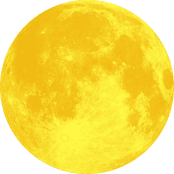
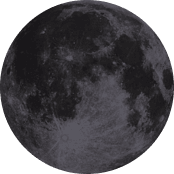
Waning Moon
Rest day
January 2 (Sat) — Rest day
Waning Moon
Rest day
January 3 (Sun) — Rest day
Waning Moon
Rest day
January 4 (Mon) — Rest day
Waning Moon
Rest day
January 5 (Tue) — Rest day
Waning Moon
Rest day
January 6 (Wed) — Rest day
Waning Moon
Rest day
January 7 (Thu) — Rest day
New Moon 15:25
Rest day
January 8 (Fri) — Above-ground day
Waxing Moon
Above-ground day
January 9 (Sat) — Above-ground day
Waxing Moon
Above-ground day
January 10 (Sun) — Above-ground day
Waxing Moon
Above-ground day
January 11 (Mon) — Above-ground day
Waxing Moon
Above-ground day
January 12 (Tue) — Above-ground day
Waxing Moon
Above-ground day
January 13 (Wed) — Above-ground day
Waxing Moon
Above-ground day
January 14 (Thu) — Above-ground day
Waxing Moon
Above-ground day
January 15 (Fri) — Above-ground day
First Quarter 15:34
Above-ground day
January 16 (Sat) — Above-ground day
Waxing Moon
Above-ground day
January 17 (Sun) — Above-ground day
Waxing Moon
Above-ground day
January 18 (Mon) — Above-ground day
Waxing Moon
Above-ground day
January 19 (Tue) — Above-ground day
Waxing Moon
Above-ground day
January 20 (Wed) — Above-ground day
Waxing Moon
Above-ground day
January 21 (Thu) — Above-ground day
Waxing Moon
Above-ground day
January 22 (Fri) — Harvest day
Full Moon 07:18
Harvest day
January 23 (Sat) — Root day
Waning Moon
Root day
January 24 (Sun) — Root day
Waning Moon
Root day
January 25 (Mon) — Root day
Waning Moon
Root day
January 26 (Tue) — Root day
Waning Moon
Root day
January 27 (Wed) — Root day
Waning Moon
Root day
January 28 (Thu) — Root day
Waning Moon
Root day
January 29 (Fri) — Rest day
Last Quarter 05:56
Rest day
January 30 (Sat) — Rest day
Waning Moon
Rest day
January 31 (Sun) — Rest day
Waning Moon
Rest day
Planting calendar by year
Planting calendar by month
What to plant in January
In zones 3 to 6 almost nothing goes outdoors this month, so the work moves inside. Onions from seed need a long start: University of Maryland Extension sows them indoors in February for an April transplant in the Mid-Atlantic, and gardeners with a later spring time their own winter sowing from their last frost date. Slow-growing flowers and herbs also appreciate an early start under lights.In the Deep South the picture is different. Florida can grow vegetables all year, and in the southern part of the state the winter months are the main season for lettuce, broccoli, carrots and other cool-season crops. In other mild-winter parts of the South, winter is a time for leafy greens as well.
Test last year's seeds
Before ordering, find out what still sprouts. Moisten a paper towel, lay out ten seeds, fold it, seal it in a bag and keep it at about 70°F. Many seeds show within 7 to 10 days. If seven to nine come up, the seed is still usable; just sow a little more thickly. If only five or six sprout, or fewer, buy fresh seed. Seed life varies: tomato, lettuce and squash seed often lasts four to five years, while onion and sweet corn seed loses vigor within one or two.Pruning and the winter garden
Apples and pears are pruned while dormant, after the coldest part of winter and before buds swell, so in mild zones January can be the start of the window; colder areas wait until late winter. Pick a dry, mild day. Other January jobs: check stored squash, potatoes and onions and remove anything soft, brush heavy snow off evergreen branches, and keep an eye on mulch over garlic and perennials.Using the Moon phases in January
The table helps even in a quiet month. Seed starting indoors goes on above-ground days for leafy crops, flowers and anything fruiting, and on root days for onions and leeks. Root days also carry the pruning. Rest days, the last quarter through the new moon, suit sorting seeds, cleaning pots and trays, sharpening tools and turning the compost if it is not frozen. The full moon day is the harvest day: in warm zones, pick winter greens and citrus then.Frequently asked questions
- What can I start indoors in January?
-
Onions from seed, leeks, and slow flowers and herbs. In most zones tomatoes and peppers are still too early: they are started about six to eight weeks before the last frost. Pick an above-ground day for flowers and herbs, a root day for onions and leeks.
- Is it too early to prune fruit trees in January?
-
In mild zones it can be fine once the hardest cold is past. In the North, waiting until late winter is safer: dormant pruning works best after the coldest weeks and before buds swell. By Moon tradition, prune on a root day.
- How do I know if my old seeds are still good?
-
Run a germination test: ten seeds on a damp paper towel in a sealed bag at about 70°F. Count the sprouts after a week or so and adjust how thickly you sow, or replace the packet.
Rules of the Moon planting calendar
Planting by the Moon phase
By the old almanac tradition, sap rises while the Moon waxes. In the first and second quarters (new moon to full moon) sow and plant crops that bear above ground: leafy greens, tomatoes, beans, annual flowers. In the third quarter (full moon to last quarter) the plant's energy moves down: sow and plant root crops, bulbs and tubers, and prune. The last quarter and the day of the new moon are rest days: no sowing, only weeding, tidying and soil care. The day of the full moon is for harvesting. The calendar does not account for your frost dates or climate, so check them separately.
This calendar follows folk tradition; there is no scientific evidence that the Moon affects plant growth. Always go by the weather, frost dates and soil temperature. Planting seasons vary widely across the US. Use the Moon dates as a guide, and time outdoor sowing to your USDA hardiness zone and your area's average last spring frost date.