This section is a different kind of moon calendar: a day-by-day astrological guide to the current Moon phase, the lunar day, the zodiac sign the Moon is in and what tradition says each one favors. It rests on precise astronomical calculation, while the interpretations come from astrological and folk tradition. Read them as a guide and a piece of culture, not as a scientific forecast.
How the moon calendar works
Every date is described in three layers. The first is the phase: new moon, waxing crescent, first quarter, waxing gibbous, full moon, waning gibbous, last quarter and waning crescent. The second is the lunar day: a cycle has 29 or 30 of them, each beginning at moonrise, so a calendar date almost always spans two lunar days. The third is the zodiac sign, which the Moon crosses in a little over two days on average.When one lunar day gives way to the next depends on where you are: the Moon rises at different times in New York and in Los Angeles. That is why the description of each day says until what time one lunar day lasts and when the next begins.
How to use this section
The block at the top of the page shows the moon calendar for today: the Moon's phase and age, how much of the disk is visible, its sign, the lunar days with the time they change, moonrise and moonset, and a short hint on what to do. From there you can move on to tomorrow and to the calendar for the week.The monthly calendar lists the phase, the Moon's age, visibility and zodiac sign for every date, and below it you will find what tradition links with each phase.
Haircuts have a calendar of their own: each date gets ratings for cutting, styling, coloring and hair care, worked out from the Moon's phase and sign. Gardeners have our Moon planting calendar. The old rule of gardening by the Moon is simple: sow crops that bear above ground on the waxing Moon and root crops on the waning Moon, and let the garden rest at the new and full moon.
To see why a day gets the rating it does, turn to the reference pages: twelve zodiac signs with what the Moon in each brings to everyday life and character, eight Moon phases from the new moon to the waning crescent, and an explainer on how lunar days are counted.
What to trust in a moon calendar
The astronomical side of the calendar, the times of phases, moonrises, moonsets and the Moon's passage from sign to sign, is precise and can be checked. The interpretations are another story. The Moon's pull on the tides is proven, but research either fails to confirm an effect of the phases on sleep, mood or hair growth or gives conflicting results. On top of that, different moon calendars often rate the same day differently.So the most sensible approach is to treat the calendar as a way to plan your month and look at familiar tasks from a new angle. Weigh important decisions, medical procedures and big purchases on their merits.
19 ноября 2026:
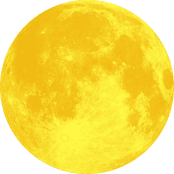
Phase:
Waxing Gibbous
Moon age:
9 дней
Moon in sign:
Pisces
11 lunar day until
12 lunar day from
Times shown for Washington, D.C.
Waxing Gibbous
Moon in Pisces
Favorable and unfavorable days
November 18, 2026 (Wednesday)
Waxing Gibbous
Moon age:
8 days
Moon visibility 61%
Moon in sign:
Pisces
November 20, 2026 (Friday)
Waxing Gibbous
Moon age:
10 days
Moon visibility 80%
Moon in sign:
Pisces until
Aries from
November 21, 2026 (Saturday)
Waxing Gibbous
Moon age:
11 days
Moon visibility 88%
Moon in sign:
Aries
November 22, 2026 (Sunday)
Waxing Gibbous
Moon age:
12 days
Moon visibility 94%
Moon in sign:
Aries until
Taurus from
November 23, 2026 (Monday)
Waxing Gibbous
Moon age:
13 days
Moon visibility 98%
Moon in sign:
Taurus
- New Moon
- Waxing Crescent
- First Quarter
- Waxing Gibbous
- Full Moon
- Waning Gibbous
- Third Quarter
- Waning Crescent
Frequently asked questions
- What lunar day is it today?
-
The number of the current lunar day and the time it changes are shown in the block at the top of the page. One calendar date usually spans two lunar days: a new one begins at moonrise.
- How is a lunar calendar different from a regular one?
-
The regular Gregorian calendar follows Earth's orbit around the Sun and the change of seasons. A lunar calendar counts time by the Moon's phases: its month lasts about 29.5 days, and a year of twelve such months is roughly eleven days shorter than a solar year.
- Why do moon calendars rate the same day differently?
-
Everyone works from the same astronomical data, but the interpretations come from different schools and traditions. Some look only at the lunar day, others add the phase and the Moon's sign, so the same day can end up with different marks.